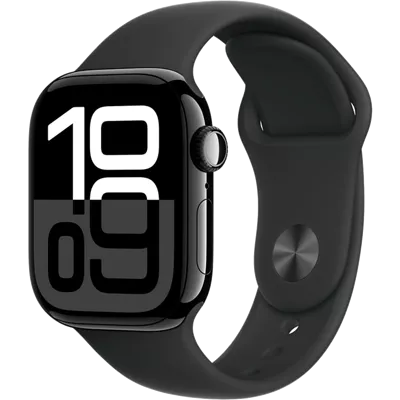
How the Apple Watch Analyzes Your Health Data: Behind the Technology
The Apple Watch has revolutionized the way we monitor and analyze our health data. By leveraging advanced sensors and algorithms, this wearable technology can track a variety of health metrics, including heart rate, activity levels, and sleep patterns. Each of these metrics plays a crucial role in providing users with a comprehensive picture of their overall health. For instance, the heart rate sensor employs photoplethysmography to detect blood flow, allowing for real-time heart rate monitoring during workouts or throughout the day.
Behind the scenes, the Apple Watch utilizes a combination of machine learning and data analysis techniques to interpret the collected health data. With the help of the Health app on iOS devices, users can view trends and receive personalized insights based on their unique health patterns. This technology not only promotes awareness and motivation but can also alert users to potential health issues, such as irregular heart rhythms. As the landscape of wearable technology continues to evolve, the Apple Watch remains at the forefront of health innovation.
Counter-Strike is a highly popular tactical first-person shooter game that pits teams of terrorists against counter-terrorists in a battle to complete objectives. With its competitive gameplay and strategic depth, players often engage in intense matches that require teamwork and skill. Whether you’re planting bombs, rescuing hostages, or securing a site, the game offers a thrilling experience for both casual and professional gamers. If you're looking for the Top 10 Car Chargers for Apple Watch, it’s essential to ensure you have the right gear to keep your devices powered during those marathon gaming sessions.
Unlocking Personalization: What the Apple Watch Knows About You
The Apple Watch has revolutionized the way we approach personalization in wearable technology. With its array of sensors and integrated software, it collects a wealth of data that offers insights into your daily habits, fitness levels, and even your emotional well-being. For instance, the watch tracks your heart rate, sleep patterns, and activity levels, using this information to create a customized fitness regimen that aligns with your unique lifestyle. Through features like personalized notifications and curated app suggestions, the Apple Watch adapts to you, learning from your interactions to enhance your overall user experience.
Furthermore, the personalization capabilities of the Apple Watch extend beyond fitness tracking. Users can enjoy tailored watch faces, workout suggestions, and even reminders that sync with their daily routines. By analyzing your usage patterns, the device continuously evolves, generating insights that help you improve your focus, health, and productivity. As we delve deeper into the world of personalized technology, understanding what the Apple Watch knows about you can unlock new levels of efficiency and wellness in your life.
Can Your Apple Watch Predict Your Health? Exploring Advanced Features
The Apple Watch has evolved into a powerful health companion, equipped with advanced features that can help monitor various health metrics. Some of its standout capabilities include heart rate monitoring, ECG readings, and even blood oxygen levels. These features leverage cutting-edge technology to provide users with real-time insights into their cardiovascular health and overall well-being. Furthermore, the watch can send notifications for irregular heart rhythms, potentially catching early signs of health issues, hence raising the question: Can your Apple Watch predict your health?
In addition to heart health, the Apple Watch also tracks physical activity, sleep patterns, and can even remind you to stand and move throughout the day. By utilizing machine learning algorithms, it adapts to your lifestyle, providing personalized insights based on your daily activities. This enhances not just user engagement but also contributes to health prediction by identifying trends and potential risks over time. As wearable technology continues to advance, the Apple Watch is positioning itself not just as a smartwatch, but as a vital tool for proactive health management.