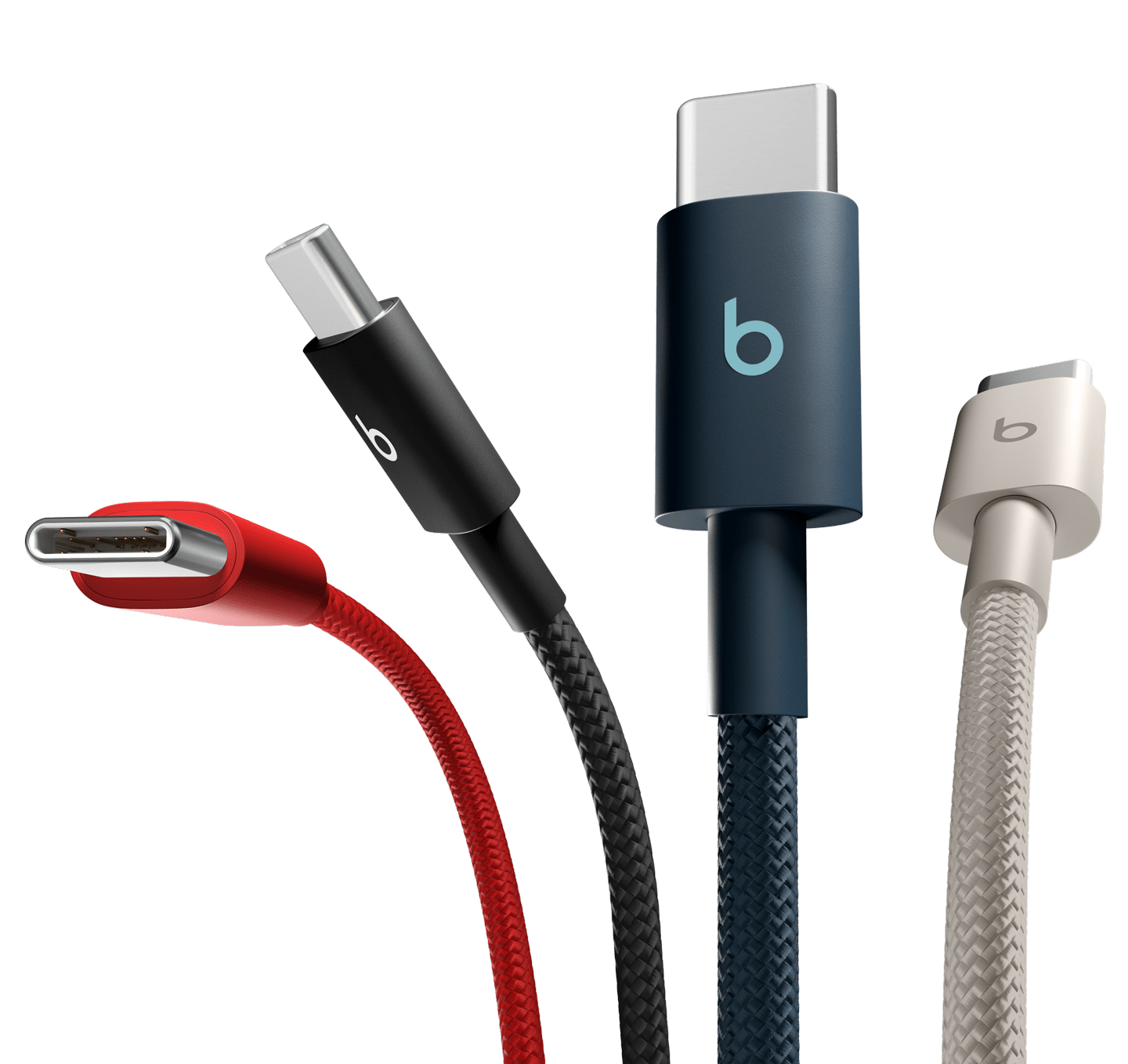
The Science Behind Cables: How Connectivity Shapes Our Lives
The world around us is intricately connected through a vast network of cables, enabling the seamless transfer of data and power that shapes our modern lives. From the telecommunications that keep us connected globally to the electric grid that powers our homes, cables serve as the backbone of our technological infrastructure. Understanding the science behind these cables highlights their critical role in advancing communication and enhancing productivity. For instance, fiber optic cables have revolutionized internet connectivity by allowing data to travel at the speed of light, significantly improving both speed and reliability.
Moreover, the design and function of these cables are engineered with precision to ensure optimal performance. The material composition, such as copper or fiber optic glass, plays a vital role in determining the bandwidth and distance that signals can travel without degradation. Innovations such as shielded cables help reduce electromagnetic interference, ensuring clear signal transmission in noisy environments. As we further explore the evolving role of connectivity in our daily lives, it becomes evident that cables are not just physical objects; they represent the very foundation of our interconnected world, influencing everything from global trade to personal communication.
Counter-Strike is a popular tactical first-person shooter game that has garnered a massive following since its initial release. Players join either the terrorist or counter-terrorist team and engage in various objective-based game modes. For those looking for the best gaming gear, check out the Top 10 Android Charging Cables to ensure your devices are always powered for long gaming sessions.
Uncovering the Mysteries of Cable Types: Which One is Right for You?
When it comes to choosing the right cable types for your needs, understanding the various options is crucial. From HDMI and USB cables to Coaxial and Fiber Optic variants, each type serves a unique purpose and offers different benefits. For instance, if you're looking to connect your devices for high-definition video, HDMI cables are the go-to choice due to their ability to transmit both video and audio signals efficiently. On the other hand, if you need faster data transfer, you might consider USB-C or Thunderbolt cables, which are designed for modern devices and provide higher bandwidths.
However, it's not just about performance; cable types also vary in terms of length, durability, and flexibility. Consider these factors when selecting the right one for your setup:
- Length: Ensure the cable can reach your devices without strain.
- Durability: Some cables are built to withstand wear and tear better than others.
- Flexibility: Depending on your installation needs, flexibility may be a key factor.
Ultimately, understanding the different cable types can help you make an informed decision, ensuring you select the best option for your specific requirements.
The Evolution of Cables: Past Innovations and Future Trends in Connectivity
The evolution of cables has been a fascinating journey, reflecting the rapid advancements in technology and the ever-increasing demand for connectivity. From the early days of copper wires used for basic telecommunication to the introduction of fiber optic cables that revolutionized data transmission, innovation has played a pivotal role in shaping how we connect. Notable milestones include the development of coaxial cables in the 1930s, which enhanced television broadcasts, and the launch of DSL cables in the 1990s, paving the way for high-speed internet that transformed daily life. These innovations not only improved speed and efficiency but also broadened the scope of applications, enabling the rise of the digital age.
Looking ahead, future trends in connectivity are set to redefine our understanding of cables. As we move towards a more wireless future, innovations such as power over Ethernet (PoE) and next-generation fiber optics are emerging to meet the demands of an increasingly interconnected world. Additionally, the rise of 5G technology is expected to push the boundaries of cable innovation, with a focus on enhancing data transfer speeds and minimizing latency. Industry experts predict that developments in materials and manufacturing processes will lead to more durable, efficient, and environmentally friendly options for connectivity. The evolution of cables is far from over, and the future promises to be as exciting as its past.