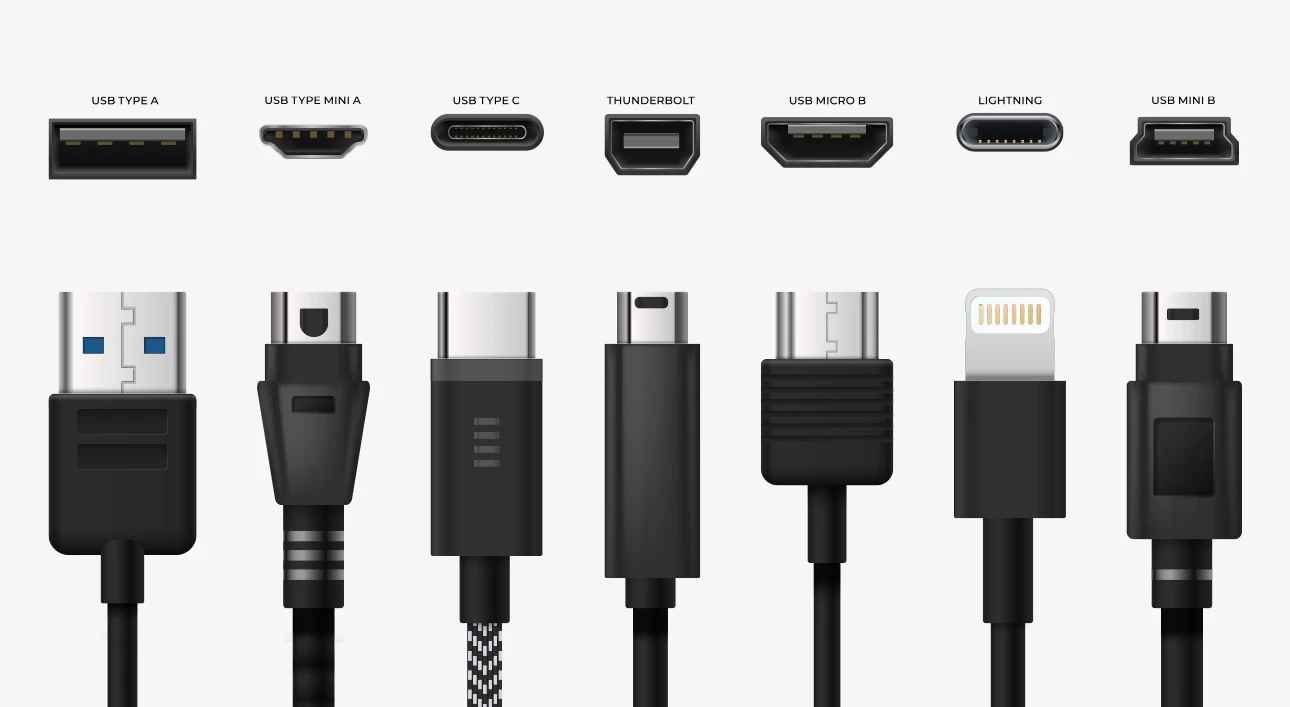
Understanding USB-C: Features, Benefits, and Compatibility
USB-C is a versatile and widely adopted connector that has transformed how we connect our devices. It features a reversible design, allowing users to insert the connector in either orientation, which eliminates the frustration often associated with traditional USB types. Not only does USB-C support high-speed data transfer rates of up to 10 Gbps, but it also provides up to 100 watts of power delivery for charging a variety of devices, including laptops, tablets, and smartphones. Additionally, USB-C can carry audio and video signals, making it an all-in-one solution for connecting peripherals, displays, and docking stations.
One of the key benefits of adopting USB-C is its compatibility with a wide range of devices. From smartphones to laptops and accessories, USB-C has become the standard connector in the tech industry. This widespread adoption means fewer cables and adapters cluttering our lives, enhancing convenience for users. Furthermore, many manufacturers are transitioning to USB-C, making it essential for consumers to understand its features and benefits. As we move forward, users can expect improved interoperability and performance, ensuring that their devices communicate more efficiently and charging happens faster than ever before.
Counter-Strike is a popular tactical first-person shooter that emphasizes team-based gameplay and strategy. Players can choose to play as terrorists or counter-terrorists, each with their own objectives. As the gaming community continues to grow, gamers often look for ways to enhance their setups, and many find that investing in useful gear, such as Top 10 usb c accessories, can improve their overall experience.
Is USB-C the Future of Connectivity? Exploring Its Impact on Devices
The introduction of USB-C has revolutionized the way we connect our devices, paving the way for a more unified and efficient approach to connectivity. Unlike its predecessors, USB-C offers a reversible design, meaning users can plug it in either way, eliminating the frustration of incorrect orientation. Moreover, it supports faster data transfer rates and higher power delivery, making it an ideal choice for a wide array of devices, from smartphones and laptops to cameras and peripherals. This versatility not only simplifies the user experience but also streamlines the ecosystem of tech gadgets we rely on daily.
As we look towards the future, the impact of USB-C on devices seems overwhelmingly positive. Many tech giants have already adopted this standard, hinting at a broader acceptance across the industry. According to a report by Tech Insights, more than 60% of new devices released in the past year feature USB-C ports. This trend indicates a significant shift that could eventually lead to the phase-out of older connectors. In a world where sustainability and compatibility are key, USB-C is not just a fleeting trend; it's positioned to become a critical standard for connectivity in the coming years.
Top 5 Reasons Why You Should Embrace USB-C Technology
As technology continues to evolve, USB-C technology has emerged as a game-changer in the world of connectivity. One of the top reasons to embrace this innovation is its versatility. Unlike previous USB types, USB-C supports data transfer, video output, and power delivery all through a single cable. This multifunctionality allows users to streamline their device management, making it easier to connect to monitors, charge devices, and transfer files without the need for multiple cables.
Another compelling reason to adopt USB-C technology is its future-proof nature. As more devices are designed with USB-C ports, this standard is becoming increasingly prevalent in smartphones, laptops, and accessories. By transitioning to USB-C, you're not just making a convenient choice today; you're also ensuring that your devices will remain compatible with future technology, thus extending their lifespan and avoiding the costs associated with frequent upgrades.