Understanding Decentralized Betting: No Middleman, More Control (and How to Get Started)
At its core, decentralized betting fundamentally redefines the wagering landscape by eliminating the need for a traditional intermediary. Unlike conventional sportsbooks or casinos, which act as centralized authorities managing funds and setting odds, decentralized platforms operate on blockchain technology. This means that instead of trusting a single company with your money and the fairness of the game, you interact directly with smart contracts. These self-executing contracts, stored on a public ledger, automatically enforce the rules of a bet and distribute winnings based on predetermined conditions, verified by the blockchain network itself. This architectural shift creates a far more transparent and secure environment, as the integrity of the betting process is no longer dependent on the trustworthiness of a third party, but rather on immutable code.
The benefits of this 'no middleman' approach are substantial, extending beyond mere transparency to offer users unprecedented control. Without a central entity dictating terms, bettors often experience lower fees, as the operational overhead associated with traditional bookmakers is significantly reduced. Furthermore, the global and permissionless nature of blockchain means that decentralized betting platforms are accessible to anyone with an internet connection, regardless of geographical restrictions that often plague centralized services. To get started, you'll typically need a cryptocurrency wallet (like MetaMask) to hold your digital assets (e.g., Ethereum or other tokens) and interact with the decentralized application (dApp). Then, you simply browse the available markets, connect your wallet, and place your wagers, enjoying a new level of autonomy and security in your betting endeavors.
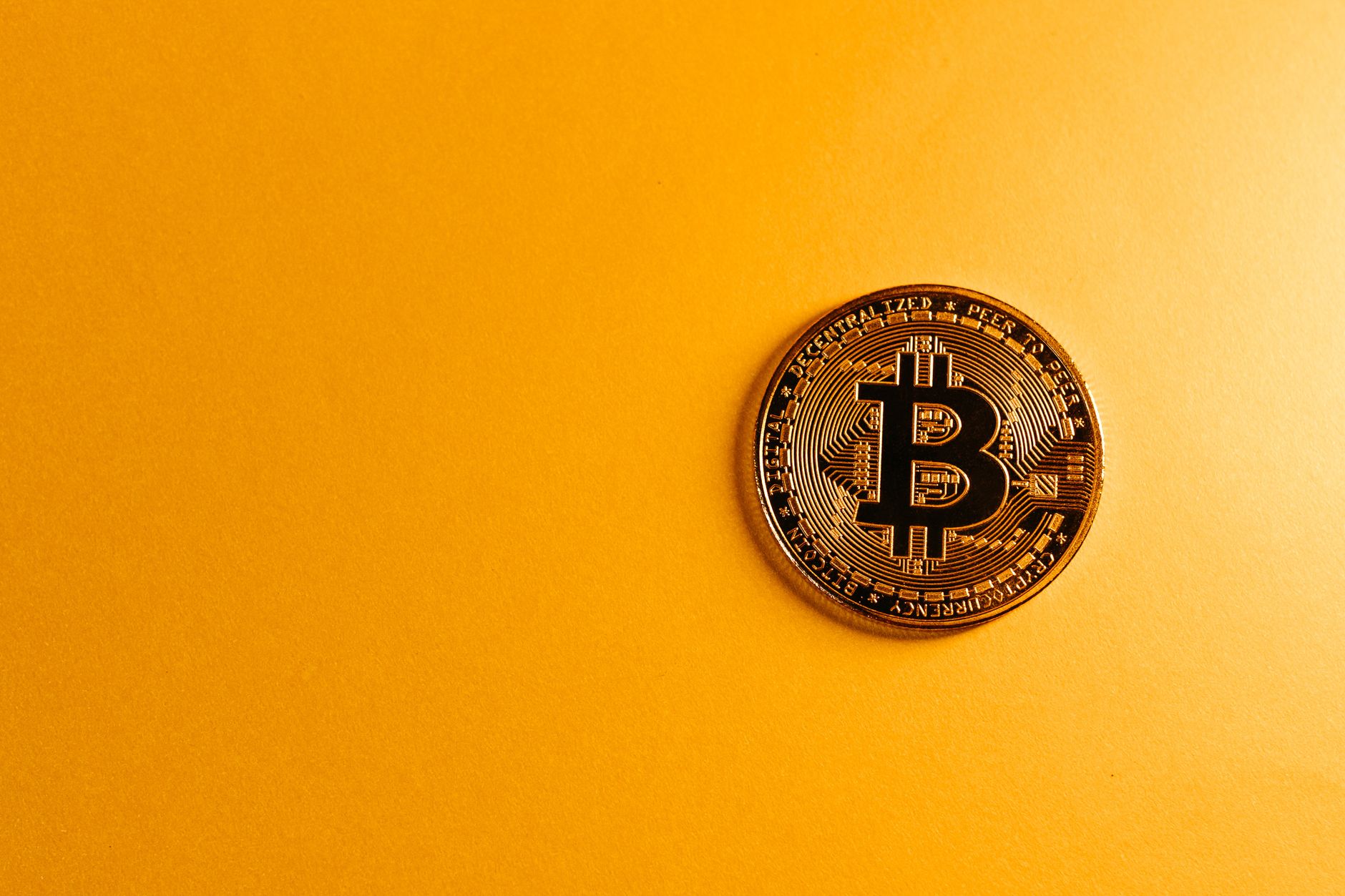
The rise of cryptocurrencies has ushered in a new era for sports betting, with many fans turning to bitcoin world cup betting for its perceived advantages. This innovative approach offers a decentralized and often more private way to place wagers on the world's most anticipated football tournament. As a result, the landscape of World Cup betting is evolving, presenting both exciting opportunities and unique considerations for bettors.
Your First Bet: Navigating Platforms, Funding Wallets, and Common FAQs
Embarking on your first wager requires careful navigation through various platforms. The landscape of online betting is vast, encompassing traditional sportsbooks, innovative fantasy sports sites, and increasingly, decentralized blockchain-based options. Each comes with its own set of advantages and disadvantages regarding odds, market variety, user interface, and most importantly, security. Before you even think about placing a bet, it's crucial to research and select a platform that is not only reputable and licensed in your jurisdiction but also aligns with your preferred betting style. Look for sites with strong encryption, clear terms and conditions, and positive user reviews. Consider factors like minimum deposit amounts, withdrawal processing times, and the availability of responsive customer support. Don't rush this initial step; a well-chosen platform lays the foundation for a secure and enjoyable betting experience.
Once you've chosen your platform, the next step is funding your wallet. Most platforms offer a multitude of deposit methods, ranging from ubiquitous credit/debit cards and bank transfers to e-wallets like PayPal, Skrill, and Neteller, and even cryptocurrencies. Each method has varying transaction limits, processing times, and sometimes, associated fees. It's essential to understand these nuances before committing. For instance, while credit card deposits are instant, withdrawals might take several business days. E-wallets often provide quicker payouts but might require an initial setup. Common FAQs at this stage often revolve around
- Deposit limits: What are the minimum and maximum amounts I can add?
- Withdrawal processes: How long does it take to get my winnings?
- Verification requirements: What documents do I need to submit for KYC (Know Your Customer)?