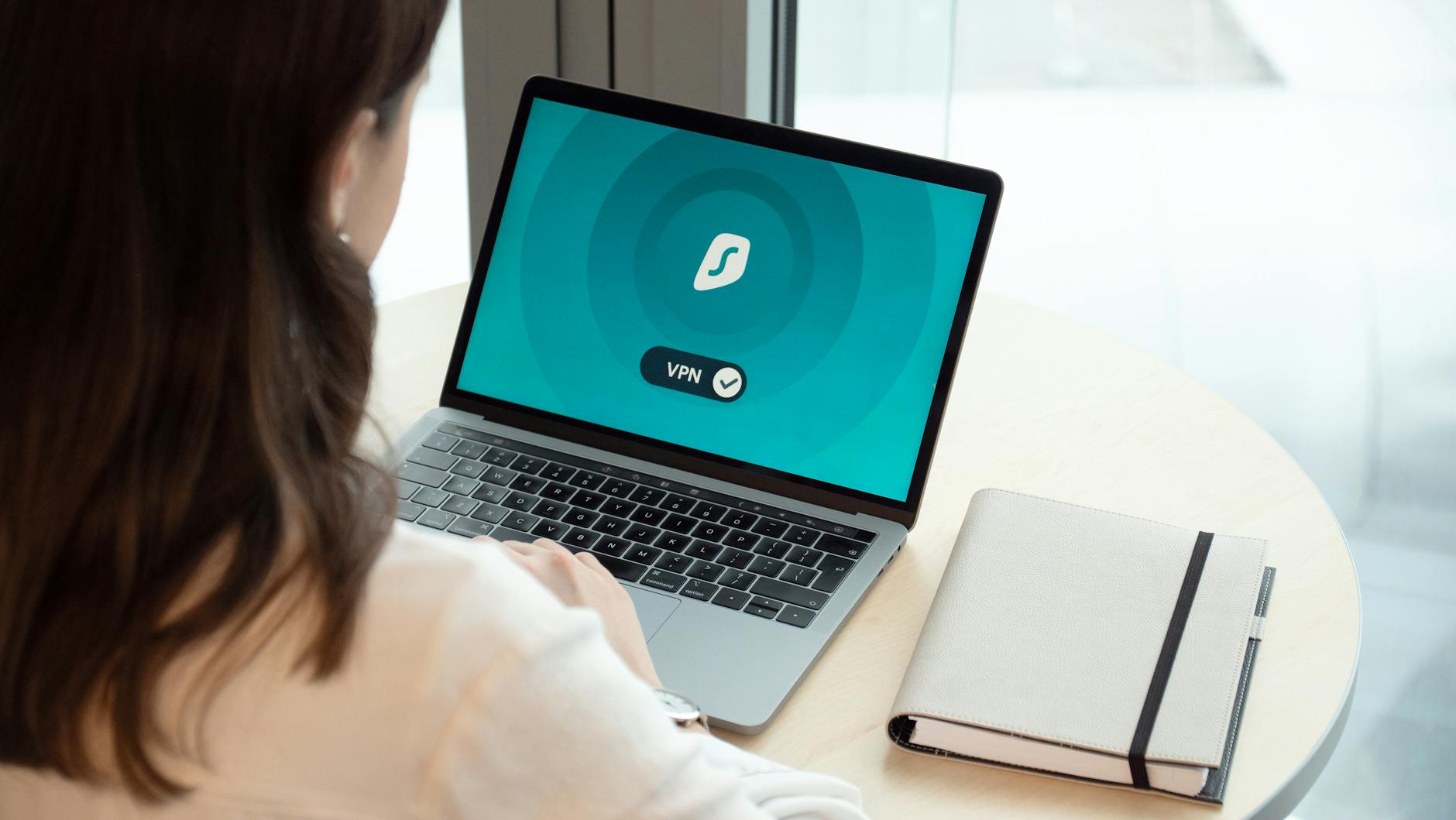
Understanding Free Chrome VPNs: What They Offer & What to Watch Out For
Free Chrome VPNs can seem like an attractive solution for quick, low-barrier access to geo-restricted content or a basic layer of privacy. They typically operate as browser extensions, offering a simplified user experience that integrates directly into your Chrome browser. Many provide a limited selection of server locations and may cap data usage or speed. For casual browsing or accessing unblocked news sites, a free Chrome VPN can be sufficient. However, it's crucial to understand these services often come with trade-offs. They are designed for convenience, not necessarily for robust security or anonymity, which are hallmarks of premium VPN offerings. Always consider the potential limitations before relying on them for sensitive activities.
While the 'free' aspect is appealing, it's paramount to approach these services with a critical eye. What are you truly getting for free? Often, the cost is borne by your data. Many free VPNs monetize through:
- Injecting ads into your browsing
- Collecting and selling your browsing data to third parties
- Using your device as an exit node for other users, impacting your performance and potentially exposing you to legal liabilities
Many users are looking for a reliable and free way to access Netflix content from different regions. While a free Netflix VPN can sometimes offer a temporary solution, it's important to be aware of potential limitations such as slower speeds, data caps, and reduced server options compared to premium services.
Daily VPN Habits: Practical Tips for Secure Browsing & Answering Your Top Questions
Integrating a VPN into your daily routine doesn't have to be complicated. Start by making sure your VPN is always active when connecting to public Wi-Fi – this is non-negotiable for securing your data from potential snoopers. Consider setting your VPN to launch automatically at startup, ensuring a layer of protection from the moment you power on. For sensitive activities like online banking or logging into email, double-check your VPN connection status. Furthermore, explore your VPN's settings for features like a kill switch, which prevents your data from being exposed if the VPN connection drops unexpectedly. These simple habits lay a strong foundation for a more secure and private online experience, shielding your personal information from unwanted scrutiny.
Beyond basic activation, optimizing your VPN usage involves understanding its capabilities. Many users wonder:
While some speed reduction is possible due to encryption, choosing a reputable provider with a large server network can mitigate this significantly. Experiment with different server locations – often, connecting to a server geographically closer to you will yield better speeds. Another common question is about VPN logging policies. Always prioritize VPNs with a strict no-logs policy, meaning they don't record your online activities. Regular updates to your VPN software are also crucial, as these often include security patches and performance enhancements. By adopting these practical tips, you're not just using a VPN; you're actively managing your digital privacy."Does a VPN slow down my internet?"