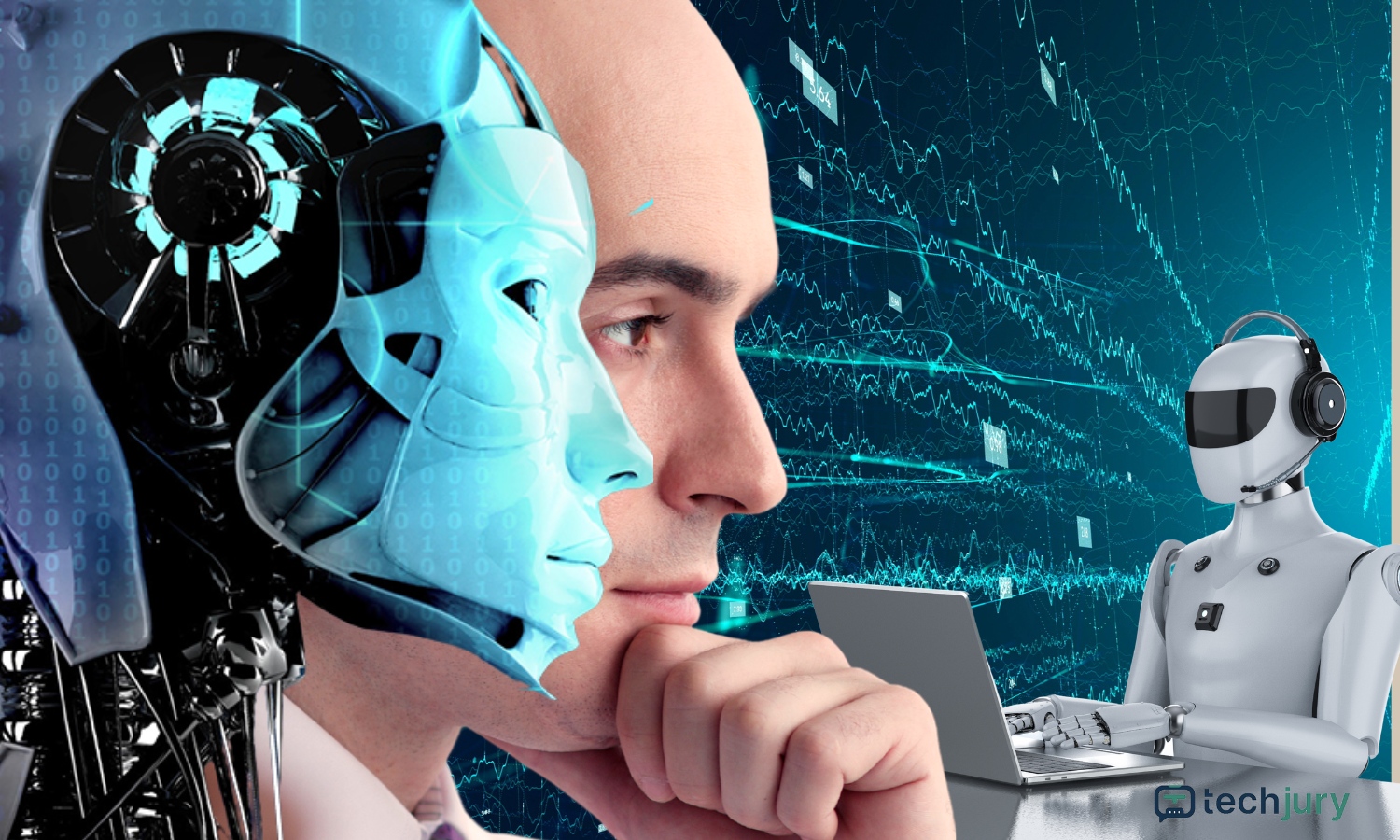
Exploring the Future: How Emerging Technologies are Shaping Our Lives
As we venture further into the 21st century, emerging technologies are transforming our daily lives in unprecedented ways. From artificial intelligence and blockchain to augmented reality and the Internet of Things, these innovations are not only enhancing productivity but also reshaping how we interact with the world around us. For instance, AI-driven personal assistants can now help manage our schedules, while smart home devices create a seamless living experience by connecting various aspects of our environment. As these technologies evolve, they promise to make our lives more efficient and connected than ever before.
Moreover, the impact of these emerging technologies extends beyond convenience; they are also addressing significant global challenges. Technologies such as renewable energy solutions and telemedicine are paving the way for sustainable living and improved healthcare access. For example, solar panels and wind turbines are revolutionizing the energy sector, while telehealth platforms allow remote consultations, bridging gaps in medical services. As we explore these advancements, it becomes increasingly clear that the future of technology holds the potential to enhance not only our individual lives but also the collective well-being of society.
Counter-Strike is a highly popular first-person shooter game that emphasizes teamwork and strategy. Players can choose to play as terrorists or counter-terrorists, engaging in various missions such as defusing bombs or rescuing hostages. If you're looking to enhance your gaming experience, check out the Top 10 MacBook Accessories for Students that can improve your setup significantly.
The Impact of AI on Everyday Tasks: A Deep Dive
The rapid advancement of AI technology has significantly transformed how we approach everyday tasks. From personal assistants like Siri and Alexa to smart home devices that automate time-consuming chores, AI has become an integral part of our daily routines. The ability of AI to learn and adapt means that it can optimize tasks such as scheduling, grocery shopping, and even meal preparation. For instance, smart appliances can suggest recipes based on available ingredients, a process that not only saves time but also reduces food waste.
Moreover, the influence of AI extends beyond convenience; it also enhances productivity and decision-making. In the workplace, AI-driven tools can analyze data at unprecedented speeds, helping professionals make informed choices faster than ever before. For example, AI algorithms can sift through massive datasets to identify trends, allowing businesses to tailor their strategies effectively. As these technologies continue to evolve, we can expect an even greater impact on how we manage daily tasks, making our lives more efficient and streamlined.
Is Quantum Computing the Next Big Leap in Technology?
Quantum computing is heralded as a revolutionary advancement that could potentially outperform classical computing by solving problems that are currently intractable. By leveraging the principles of quantum mechanics, this technology utilizes qubits, which can exist in multiple states simultaneously, allowing for exponential increases in processing power. From drug discovery to cryptography, the implications of quantum computing extend beyond mere computational speed, opening new frontiers in scientific research and application.
As companies like Google, IBM, and Microsoft invest heavily in quantum technology, we are witnessing a flurry of breakthroughs that suggest we are on the verge of a technological leap. While there are still significant challenges to overcome—including error rates and qubit stability—the progress being made indicates that quantum computing could redefine industries and solve complex problems that traditional computers cannot address efficiently. The next few years will be crucial in determining whether this technology will achieve its promise or remain a fascinating theoretical concept.