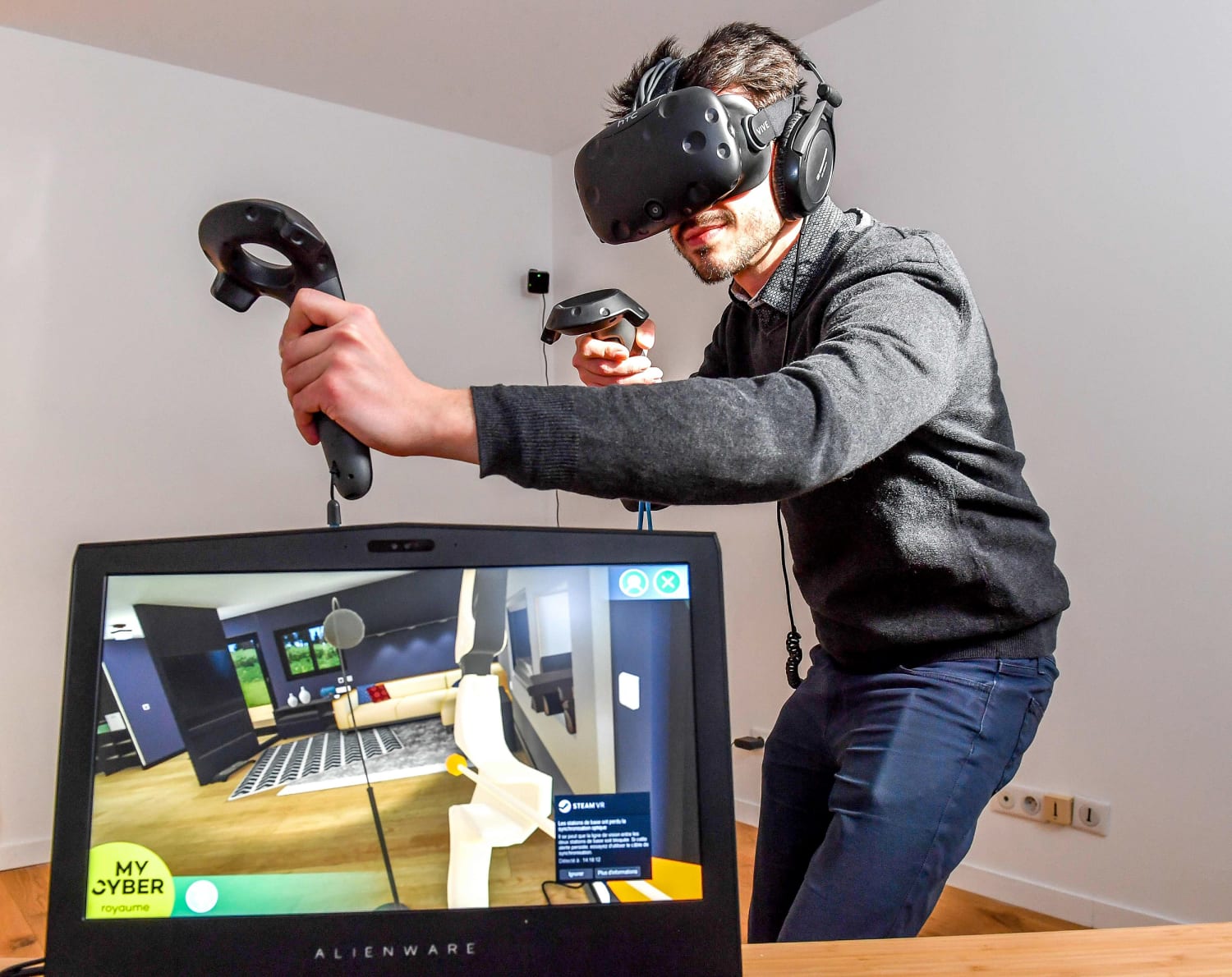
Exploring New Realities: The Impact of Virtual Reality on Daily Life
In recent years, virtual reality (VR) has transcended its gaming origins to become an integral part of our daily lives. From immersive educational experiences to virtual travel, the impact of VR is reshaping how we learn, communicate, and experience the world around us. For instance, students can now explore ancient civilizations or conduct complex scientific experiments from the comfort of their classrooms, all thanks to VR technology. Additionally, businesses are leveraging virtual environments for employee training and development, leading to enhanced productivity and engagement.
Moreover, VR is revolutionizing how we connect with others, breaking down geographical barriers in personal and professional relationships. Virtual gatherings can replace traditional meetups, allowing individuals from different parts of the globe to interact in real-time within shared 3D environments. Furthermore, emerging applications in mental health therapy utilize VR to treat conditions such as PTSD and anxiety by providing controlled exposure to various stimuli. As we continue to explore new realities, the potential of virtual reality to enrich our daily lives appears limitless, paving the way for remarkable advancements in how we experience reality.
Counter-Strike is a popular first-person shooter game that pits two teams against each other: the Terrorists and the Counter-Terrorists. Players can choose various weapons and tactics to complete objectives, such as bomb defusal or hostage rescue. For those looking for tech to enhance their gaming experience, check out the Top 10 apple vision pro travel accessories that cater to gamers on the go.
How VR Technology is Transforming Education and Training
Virtual Reality (VR) technology is revolutionizing the landscape of education and training by creating immersive learning experiences that engage students like never before. By simulating real-world environments, VR allows learners to explore complex subjects—such as science, history, and engineering—in interactive settings that enhance retention and understanding. For instance, medical students can perform virtual surgeries, while history students can walk through ancient civilizations, making learning more tangible and accessible.
Moreover, VR technology facilitates remote training and collaborative learning, breaking geographical barriers. Companies can now train employees in virtual environments tailored to specific skills without the need for costly physical resources. This not only increases efficiency but also promotes a safer training environment. As more educational institutions and organizations adopt VR, the prospects for enhanced learning outcomes are promising, highlighting a significant shift towards a more engaged and interactive future in education and training.
What Everyday Activities Can Be Enhanced with Virtual Reality?
Virtual Reality (VR) has made significant strides in enhancing various everyday activities, offering immersive experiences that can improve how we interact with the world. One of the most notable areas is education. Imagine students exploring ancient civilizations through virtual field trips, stepping inside the Colosseum or walking the Great Wall of China without leaving their classroom. This interactive approach not only makes learning more engaging but also helps to reinforce memory retention, as VR appeals to visual and kinesthetic learners.
Another area ripe for enhancement is fitness and exercise. With VR, workouts can become a thrilling adventure. Users can partake in virtual cycling through stunning landscapes or participate in gamified fitness challenges that transform mundane workouts into exciting experiences. This innovative approach to workout routines can motivate individuals to stay active, making fitness more enjoyable and accessible. As technology continues to advance, we can expect more everyday activities to be transformed by virtual reality innovations.