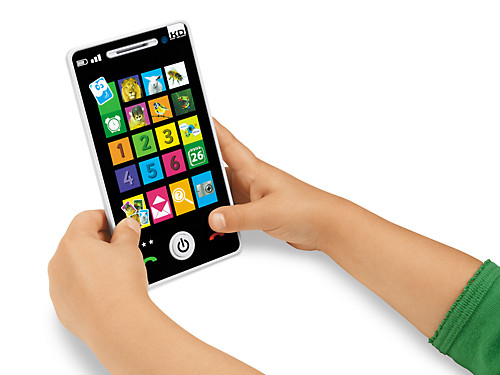
How Smartphones Have Transformed Our Perception of Time
The advent of smartphones has significantly altered our perception of time, reshaping how we manage our daily schedules, communicate, and consume information. With instant access to emails, calendars, and social media notifications, the digital world now operates in real-time, creating a sense of urgency that was previously absent. People are constantly bombarded with information, leading to a phenomenon known as 'time compression,' where moments seem to fly by as we become engrossed in our devices both at home and on the go.
Moreover, smartphones have given rise to a culture of immediacy. Tasks that once took time and effort, such as planning an event or researching a topic, can now be accomplished in mere seconds. This shift has led to a decrease in the perceived value of waiting and a heightened expectation for prompt responses, fundamentally changing our relationship with time. As we navigate our daily lives with our smartphones in hand, it becomes increasingly important to recognize how these devices have transformed our understanding of time and the implications this has on our personal lives and society as a whole.
Counter-Strike is a popular first-person shooter game that pits teams of terrorists against counter-terrorists. Players can choose to take on various roles and complete objectives, such as bomb defusal or hostage rescue. For those looking to enhance their gameplay experience, a solid setup is essential, and you might want to check out the Top 10 magsafe car mounts for gaming on the go!
The Evolution of Smartphones: A Journey Through Time
The evolution of smartphones has been a fascinating journey, transforming the way we communicate, work, and connect with the world around us. From the first handheld mobile devices in the 1980s to the sophisticated smartphones of today, technological advancements have driven significant changes in mobile communication. The introduction of touchscreen interfaces, apps, and advanced operating systems has propelled smartphones beyond mere communication tools to multifunctional devices essential to our daily lives.
In the early 2000s, smartphones began to gain mainstream popularity with devices like the BlackBerry and the Palm Treo, which integrated email functionality. However, it was the launch of the first iPhone in 2007 that truly revolutionized the industry. This device set the stage for modern smartphones by offering a sleek design, an easy-to-use interface, and an ever-expanding app ecosystem. Today, brands like Samsung, Google, and Apple continue to push the boundaries of innovation, introducing features such as artificial intelligence, augmented reality, and 5G connectivity, solidifying smartphones as indispensable tools in our digital age.
Are Smartphones Making Us Time Travelers or Time Wasters?
The advent of smartphones has undoubtedly transformed the way we perceive and manage time. With a few taps on a touchscreen, we can access a world of information, communicate instantly across the globe, and manage our daily schedules with apps designed to boost productivity. This phenomenon can make us feel like time travelers, enabling us to connect, learn, and explore in ways previously unimaginable. For instance, virtual reality apps allow us to immerse ourselves in different eras or cultures, making it possible to relive history or visit distant places without ever leaving our homes. This capability encourages a sense of discovery and broadens our understanding of the world, presenting us with opportunities to experience life beyond our immediate surroundings.
However, the constant distractions offered by smartphones often lead to a different conclusion — that we are more akin to time wasters. Notifications, social media scrolling, and endless entertainment options can quickly consume our attention, pulling us away from meaningful interactions and responsibilities. Studies have shown that excessive smartphone usage is linked to decreased productivity and increased procrastination, showcasing how easily we can fall into the trap of time-sapping habits. Therefore, while smartphones have the potential to enhance our lives and facilitate personal growth, they can just as easily lead us to squander precious time if we do not use them mindfully.