How RFID Technology is Revolutionizing Supply Chain Management
In recent years, RFID technology has emerged as a game changer in Supply Chain Management, significantly enhancing operational efficiency and accuracy. By utilizing radio frequency identification, companies can track products in real-time, streamline inventory management, and reduce human errors. The implementation of RFID tags on goods allows for automatic inventory counts, leading to better stock visibility and reducing the risk of overstocking or stockouts. This innovative technology not only cuts labor costs associated with manual tracking but also accelerates the overall supply chain process, making it more agile and responsive.
Moreover, the integration of RFID technology in Supply Chain Management provides a wealth of data analytics opportunities. By collecting real-time data on product movement, businesses can gain valuable insights into consumer behavior and supply chain inefficiencies. This data-driven approach enables companies to make informed decisions, optimize their logistics, and enhance collaboration with suppliers. As industries look to the future, embracing RFID technology is becoming increasingly crucial for maintaining competitive advantage and driving innovation across supply chain operations.
Counter-Strike is a popular tactical first-person shooter game that has captivated millions of players worldwide. The game involves two teams, terrorists and counter-terrorists, battling to complete objectives or eliminate the opposing team. If you're interested in optimizing your in-game experience, check out the Top 10 airtag wallets for secure and stylish storage options. With various game modes and frequent updates, Counter-Strike continues to evolve and maintain a strong competitive scene.
Exploring the Benefits of RFID in Everyday Life
Radio Frequency Identification (RFID) technology is transforming our daily lives in numerous ways, providing significant benefits that enhance convenience and efficiency. One of the most notable applications of RFID is in retail, where stores use it to streamline inventory management. By attaching RFID tags to products, retailers can easily track stock levels in real-time, reducing the chances of overstocking or stockouts. This not only boosts productivity but also leads to an improved customer experience as shoppers benefit from better product availability.
Moreover, RFID technology extends beyond retail; it plays a crucial role in supply chain management, healthcare, and even personal security. For instance, hospitals utilize RFID to monitor equipment and medication, ensuring patient safety through accurate tracking. Additionally, RFID-enabled access control systems enhance security by allowing authorized individuals to enter restricted areas seamlessly. With these advantages, it’s clear that RFID is more than just a technological trend; it is becoming an essential component of modern life, streamlining processes and making everyday tasks easier.
What is RFID and How Does It Work?
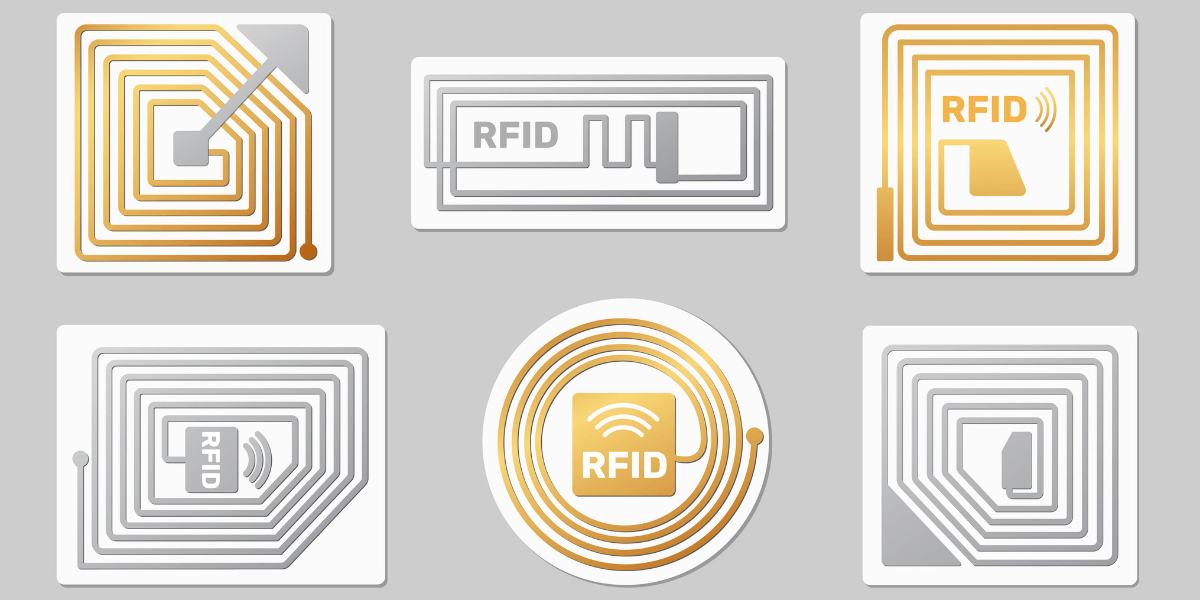
RFID, or Radio Frequency Identification, is a technology that uses radio waves to identify objects or individuals. It consists of three main components: a tag, a reader, and a backend system. The RFID tag contains a microchip that stores data and an antenna for communication. These tags can be passive, active, or semi-passive, depending on their power source. When an RFID reader emits a radio signal, it activates the tag, allowing it to send the stored information back to the reader, which then processes the data for various applications including inventory management, access control, and tracking systems.
The functionality of RFID relies on the principles of electromagnetic radiation. When the RFID reader transmits a radio frequency signal, it creates an electromagnetic field. This field powers the passive RFID tags and enables them to send back their stored information. For active tags, which have their own power source, they can broadcast signals to the reader over longer distances. RFID technology is particularly beneficial in industries such as retail, healthcare, and logistics as it enhances efficiency and accuracy in tracking assets and managing inventory.