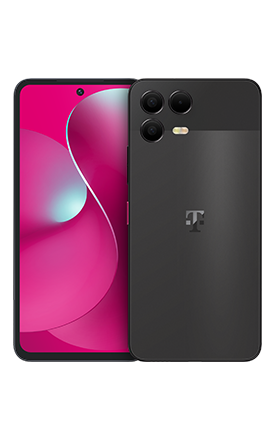
The Evolution of Mobile Devices: From Brick to Pocket Powerhouse
The evolution of mobile devices has been nothing short of remarkable, transforming from the bulky bricks of the 1980s to the sleek smartphones we rely on today. In the early days, mobile phones were large, heavy, and primarily designed for voice communication. These early models, like the Motorola DynaTac 8000X, weighed nearly 2.5 pounds and offered a mere 30 minutes of talk time. However, as technology advanced, manufacturers began to focus on enhancing portability and features, paving the way for more compact designs. The introduction of flip phones in the 1990s marked a significant turning point, allowing users to carry devices that were not only lighter but also more stylish and functional.
As we moved into the 21st century, the shift towards touchscreens and multifunctionality further revolutionized mobile technology. The launch of the smartphone era began in 2007 with the release of the first iPhone, which combined a phone, web browser, and media player into one device. This innovation changed the landscape of communication and computing, allowing users to access a wealth of information at their fingertips. Today, mobile devices have evolved into pocket powerhouses, equipped with powerful processors, high-resolution cameras, and a myriad of applications that enable users to perform tasks ranging from social networking to mobile banking, all from a device that fits in their pocket.
Counter-Strike is a renowned first-person shooter game that has captivated gamers since its release. Players can engage in tactical team-based gameplay, where one team takes on the role of terrorists while the other plays as counter-terrorists. The game's competitive nature has led to a thriving esports scene. For gamers looking to enhance their setup, check out the Top 10 Mobile Accessories to improve your gaming experience.
How Smartphones Revolutionized Communication and Connection
The advent of smartphones has fundamentally transformed the way we communicate and connect with one another. Before their widespread use, traditional methods such as landline phones, letters, and face-to-face conversations defined communication. However, with the introduction of smartphones, people can now stay connected anytime and anywhere. Features such as instant messaging apps, social media platforms, and video calls allow for real-time interactions, fostering a sense of immediacy and intimacy previously unattainable. This shift has not only bridged geographical gaps but has also made communication more accessible to a broader audience.
Furthermore, smartphones have revolutionized the sharing of information. With a single device, users can access various tools and applications, from email to cloud storage, enabling seamless collaboration and information exchange. This has particularly impacted social movements and collective actions; individuals can mobilize and rally support for causes at unprecedented speeds. As a result, the ability to connect and share information has not only enriched personal relationships but has also reshaped how communities engage and advocate for change in today's digital landscape.
Are We Too Dependent on Our Mobile Devices? An In-Depth Look
In today's fast-paced digital world, our mobile devices have become essential tools that we rely on for communication, information, and entertainment. From checking emails to managing schedules and accessing social media, it's clear that our dependence on these devices has escalated. A recent study revealed that many individuals spend an average of over 4 hours a day on their smartphones, leading to concerns about the impact this behavior has on our mental health and productivity. Some argue that this reliance hinders our face-to-face interactions and diminishes our ability to focus on tasks without the frequent urge to check our notifications.
However, it is important to consider the benefits that mobile devices bring to our lives. They not only enhance our connectivity but also provide access to a wealth of information at our fingertips. For instance, apps designed for mindfulness and productivity can empower users to harness their time more effectively. Ultimately, the question remains: Are we too dependent on our mobile devices, or are we simply adapting to a technological landscape that increasingly emphasizes connectivity? It may be necessary to strike a balance between harnessing the advantages of mobile technology while being mindful of its potential downsides.