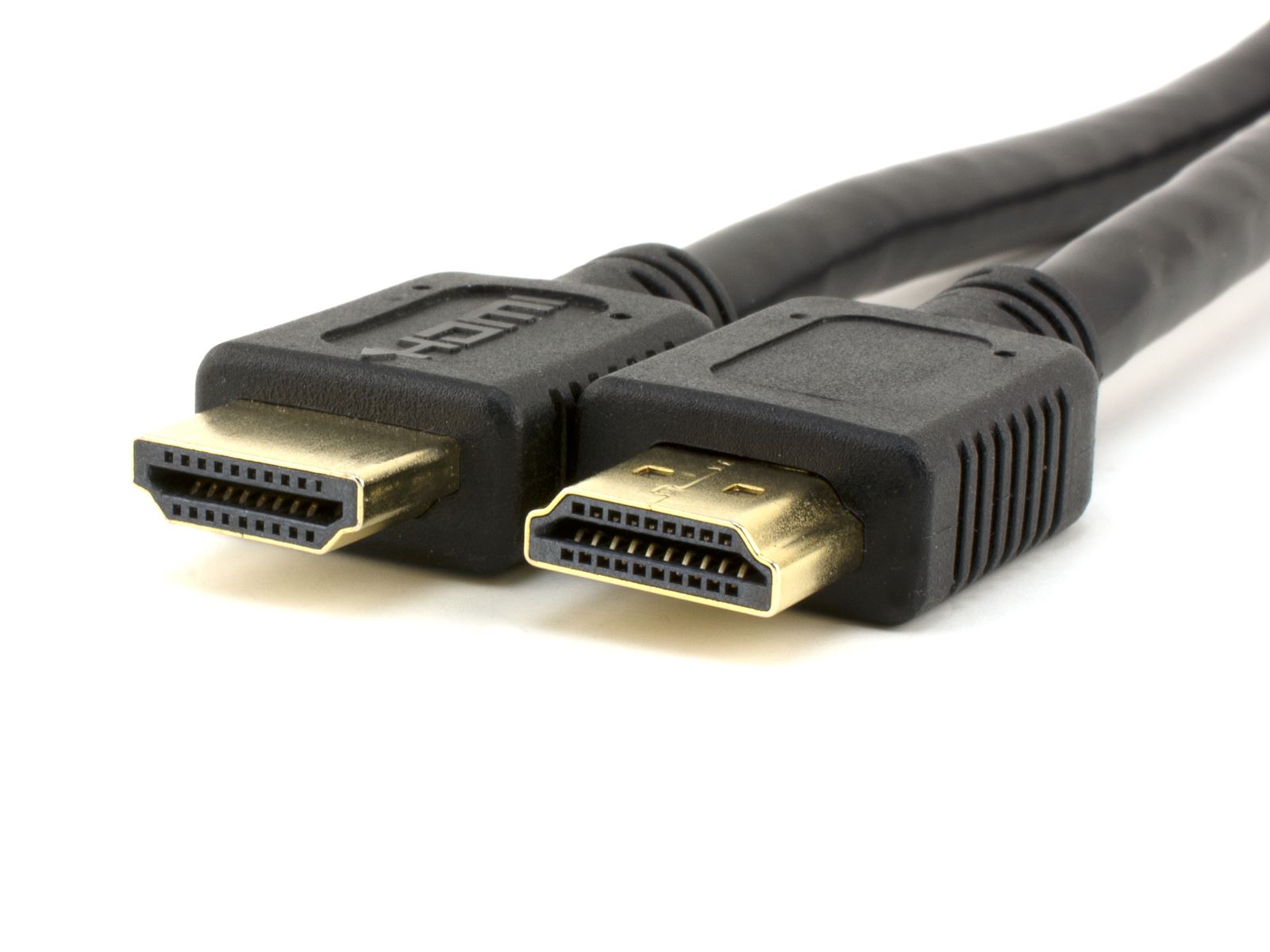
Understanding HDMI: How It Revolutionized Home Entertainment
The advent of HDMI (High-Definition Multimedia Interface) has significantly transformed the landscape of home entertainment, allowing consumers to enjoy seamless high-definition video and audio quality with just a single cable. Before HDMI, connecting devices such as DVD players, gaming consoles, and televisions often required multiple cables, resulting in a maze of wires and setup complexities. The simplicity and efficiency of HDMI not only eliminated this clutter but also enhanced the overall user experience. As a digital alternative to analog formats, HDMI supports resolutions up to 4K and beyond, making it the go-to choice for modern entertainment systems.
Furthermore, HDMI has enabled the integration of various features that have become essential in home entertainment. The capability to transfer both audio and video signals through a single cable has led to significant advancements in content quality. In addition, HDMI supports features like Consumer Electronics Control (CEC), allowing users to control multiple devices with one remote. Over the years, HDMI technology has continued to evolve, with newer versions introducing capabilities like HDR (High Dynamic Range) and increased bandwidth for higher resolutions. This evolution underscores HDMI's role in revolutionizing how we consume media at home.
Counter-Strike is a popular first-person shooter franchise that emphasizes teamwork and strategy. Players can choose between terrorist and counter-terrorist teams to compete in various game modes, including bomb defusal and hostage rescue. As players engage in intense firefights and tactical maneuvers, having a good display can enhance the gaming experience; check out the Top 10 external monitors for mac to find the best setup for your needs.
The Evolution of HDMI: From Standard to Ultra High Definition
The HDMI (High-Definition Multimedia Interface) has undergone a remarkable transformation since its initial release in 2003. Originally designed to transmit uncompressed high-definition video and audio from a single cable, HDMI quickly became the standard connection for televisions, Blu-ray players, and gaming consoles. As technology advanced, newer versions of HDMI emerged, incorporating enhanced features such as 3D support, Ethernet connectivity, and increased bandwidth. Each iteration not only improved the quality of audio and video but also expanded compatibility with various devices, leading to widespread adoption in households around the globe.
With the advent of 4K and Ultra High Definition (UHD) content, the evolution of HDMI reached new heights. HDMI 2.0, released in 2013, facilitated 4K video at 60 frames per second and introduced support for high dynamic range (HDR), allowing for more vivid and lifelike images. Most recently, HDMI 2.1 has brought even more groundbreaking features, enabling resolutions up to 10K, variable refresh rates, and enhanced audio return channels. This progression not only enhances the viewing experience but also future-proofs devices for the next generation of multimedia technology, making HDMI an essential element in modern entertainment systems.
FAQs About HDMI: Common Questions and Answers for Consumers
One of the most frequently asked questions about HDMI (High-Definition Multimedia Interface) is whether all HDMI cables are the same. The answer is no; while all HDMI cables serve the same basic function of transmitting audio and video signals, they can vary significantly in terms of capabilities. For example, there are standard, high-speed, and premium high-speed HDMI cables, each designed to support different resolutions and refresh rates. It's essential to choose the right cable for your devices to ensure optimal performance. Always check the specifications of both your devices and the HDMI cable to make sure they are compatible.
Another common question is, can you use HDMI cables for long distances? Yes, but with some caveats. Standard HDMI cables can effectively transmit signals up to about 25 feet without significant loss of quality. Beyond that, you may experience degradation in video and audio quality. For longer runs, consider using active HDMI extenders or optical HDMI cables, which can maintain signal integrity over greater distances. Additionally, always ensure that the connectors are secure, as loose connections can lead to interruptions and reduced picture quality.